Typeset In The Future; Wordmark; The History Of Ligatures
Folks should have noticed a double delivery of some Drops I had forgotten to push “publish” on. That, plus not being in a great headspace due to gestures wildly meant no Drop yesterday. And, I kinda wanted the 500th normal Drop to be on a Typography Tuesday 😎.
TL;DR
(This is an AI-generated summary of today’s Drop using Sonnet via Perplexity.)
Here’s a concise three-bullet summary of the blog post:
- Typeset in the Future: Dave Addey’s website and book analyze typography in science fiction films, exploring how fonts contribute to world-building. The book covers seven classic sci-fi movies and includes interviews with industry experts.
- Wordmark: A web-based tool that allows users to visualize and compare text in all installed fonts on their computer. It offers features like size adjustments, typeface filtering, and Google Fonts integration.
- History of Ligatures: Tracing back to 3500 BCE, ligatures have evolved from practical space-saving techniques in ancient scripts to aesthetic elements in modern typography. Their use has been influenced by various writing systems, printing technologies, and design trends throughout history.
Typeset In The Future
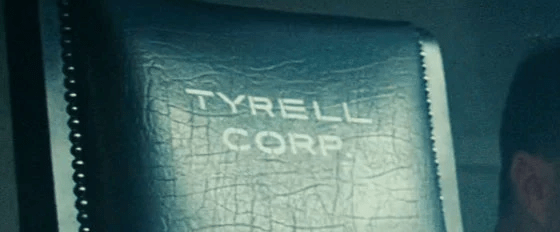
(Keen-eyed readers will recognize that I hinted this would be in today’s TT Drop back on the 11th.)
Dave Addey’s “Typeset in the Future” site, which spawned a book of the same name, offers a unique lens through which to view science fiction cinema. Addey zeroes in on the often-overlooked role of typography in crafting the visual language of futuristic worlds.
The site dissects the typographic choices in iconic/classic sci-fi films, revealing how fonts like Eurostile Bold Extended in “Alien” contribute to the film’s sterile, corporate-dominated future. Similarly, Addey’s analysis of “Total Recall” shows how typeface selection enhances the film’s gritty yet fantastical atmosphere.
Addey’s approach goes beyond just plain ol’ font identification. He contextualizes typography within the broader visual design of each film, exploring its interplay with set design, costumes, and art direction. This holistic view offers readers a deeper appreciation for the craft of sci-fi world-building.
The site/book serves as a valuable resource for designers, filmmakers, and we mere typography enthusiasts. By meticulously documenting fonts used in various productions, the author creates a reference guide for those of us seeking inspiration from these designs. His detailed breakdowns of letterforms and comparisons between similar typefaces provide practical insights for professionals across various creative fields.
The website and book also feature interviews with industry experts, including directors like Paul Verhoeven and designers such as Mike Okuda, offering behind-the-scenes perspectives on the role of typography in shaping cinematic futures.
Wordmark

If you’re like me you have alot of fonts on your system(s). I have various ways I test them out for various text contexts, but I recently came across Wordmark, and it’s a pretty well-executed site/tool.
The core functionality is pretty straightforward. You type in a word, phrase, or paragraph that you want to visualize, the app displays your text using all the fonts installed on your computer, arranged in a visual grid, you scroll through the options, comparing how your text looks in different typefaces, and then tap on promising fonts to select them, then use the filter feature to isolate and compare your favorites.
This visual approach eliminates the need to squint at dropdown menus or individually apply fonts to see how they look, significantly speeding up the font selection process.
It has many controls for size adjustments, typeface filtering, and even has Google Fonts integration (so you’re not limited to what you have on your system). Speaking of which, it uses different methods to access and display your installed fonts, depending on your browser. For Chromium-based browsers, it utilizes the Local Font Access API, requiring user permission to access installed fonts. That’s, unfortunately, the best way to experience the app/site (so if you’re on Safari/Firefox, you may want to look elsewhere).
The History Of Ligatures
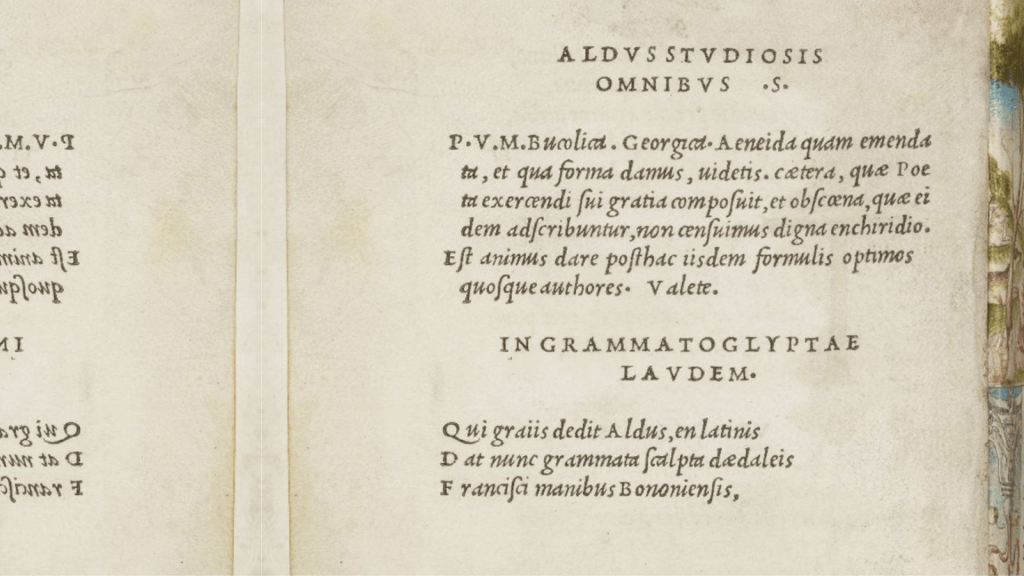
Ligatures have a rich history. From ancient cuneiform tablets to modern digital fonts, these typographic elements have served both practical and aesthetic purposes, shaping the way we write and read. A recent-ish article series by Sebastien Hayez traces the origins and provides some great information, and includes ton of context and examples along the way.
The origins of ligatures can be traced back to Sumerian cuneiform tablets around 3500 BCE. Scribes discovered that joining characters saved both space and effort, a practice that would be echoed in Egyptian hieratic script centuries later. This early form of ligature was born out of necessity, as scribes sought to economize their movements and maximize the use of limited writing surfaces.
As writing systems evolved, so did the use of ligatures. In Greek handwriting, the fluid motion of the calamus on papyrus naturally led to connections between letters, creating a unique ductus — the direction, number and sequence of strokes necessary to create letterforms — that became characteristic of the script. This gestural economy not only increased writing speed but also gave rise to new forms of abbreviation. Greek culture saw the development of monogrammatic ligatures, where groups of letters were combined to create compact symbols representing words or concepts.
The Roman Empire brought its own innovations to ligature use. Lapidary inscriptions employed various techniques to create ligatures, including overlapping, merging, and interlocking letters. These methods not only saved space on stone surfaces but also added a decorative element to the text. The discretionary nature of these ligatures allowed engravers to exercise their artistic judgment, resulting in visually striking inscriptions that have endured for centuries.
The Middle Ages saw the continued evolution of ligatures, with Gothic calligraphy introducing new forms and combinations. The dense, ornate style of Gothic script lent itself well to ligatures, particularly in cursive and formal variations. Common ligatures in this period often combined letters with identical stems, such as ‘b’ with ‘o’ or ‘p’ with ‘c’. This practice not only enhanced the visual cohesion of the text but also improved the efficiency of copyists.
The advent of movable type printing in the 15th century presented new challenges and opportunities for ligatures. Johannes Gutenberg’s revolutionary 42-line Bible, published in 1455, included an impressive array of ligatures and special characters. In his quest to faithfully reproduce handwritten text, Gutenberg created 79 ligatures among his 290 character dies. I did not know this before reading the posts and I continue to be amazed at the craftsmanship of that era. This attention to detail helped bridge the gap between handwritten and printed text, setting a standard for typographic excellence that would influence printing for centuries to come.
Today, ligatures continue to play a role in typography, albeit in a more subtle form. Digital fonts often include ligatures to improve readability and aesthetic appeal, particularly in languages that use diphthongs or in decorative typefaces. The history of ligatures serves as a testament to the enduring relationship between function and form in written communication, reminding us that even the smallest details can have a profound impact on how we convey and perceive information.
That barely touched on some of the even cooler details in Sebastien’s posts. Def carve out some time to pore over them!
FIN
Remember, you can follow and interact with the full text of The Daily Drop’s free posts on Mastodon via @dailydrop.hrbrmstr.dev@dailydrop.hrbrmstr.dev ☮️
 hrbrmstr's Daily Drop
Leave a comment