Font Dissection With Ange Albertini; The Birth Of A Font; Featured Foundry: Swiss Typefaces
We get into some technical (but, gorgeous) weeds, again, today in the first section, discuss how these myriad of font formats come about, and end with one of the best font foundries in the biz.
TL;DR
This is an AI-generated summary of today’s Drop.
I, literally, use the same prompt every. single. day. and Perplexity manages to only get the links right about one day a week.
- Ange Albertini’s work on vector fonts: Ange Albertini, a cybersecurity professional, has been working on diagramming vector fonts. They have completed diagrams for various font formats, including OTF, TTF, WOFF, and WOFF2.
- The birth of a font: The creation of a new font file format involves industry groups, standards organizations, and technology companies working together. The process includes identifying the need for a new format, forming a working group, developing a draft specification, finalizing the specification, implementing the format, and promoting its adoption.
- Featured Foundry: Swiss Typefaces: Swiss Typefaces is a font foundry founded in 2006, known for its diverse and innovative typefaces. They offer trial versions of their fonts in both desktop and webfont formats, allowing designers to test the fonts before purchasing. The foundry is committed to providing excellent support and easy licensing options.
Font Dissection With Ange Albertini

Fonts can be gorgeous beasts, but — ultimately — they’re ugly files of organized 0’s and 1’s.
Ange Albertini (@Ange@mastodon.social) is a cybersecurity professional with expertise in reverse engineering and exploitation techniques. Their work involves analyzing and understanding the inner workings of software and hardware systems, which helps in identifying and mitigating potential security vulnerabilities.
Amongst a cornucopia of talents, Ange excels at diagramming file format. This is super-helpful from cyber- and data-freeing perspectives. Recently, Ange aimed diagramming sights on vector fonts!
This is the current list of completed diagrams:
I highly recommend following Ange’s Mastodon feed and keeping an eye out for more font dissections.
The Birth Of A Font
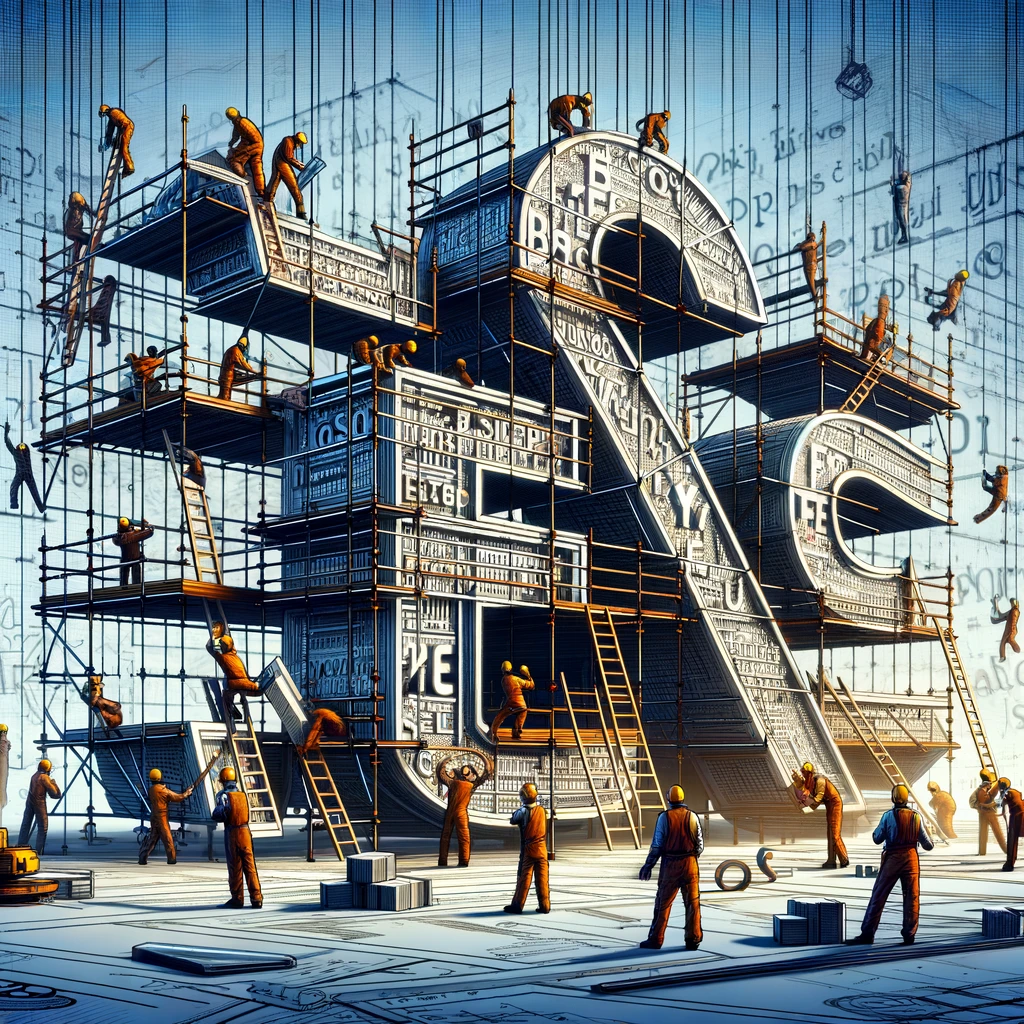
Seeing Ange’s work made me realize we talk about using fonts all the time but not how they’re born. I don’t mean individual typefaces, but the actual font file specifications themselves.
The creation, and subsequent maintenance, of a new font file format is typically decided by a combination of industry groups, standards organizations, and technology companies. These groups work together to define the specifications and standards for new font formats, taking into consideration the needs of various stakeholders such as designers, developers, and end-users.
One example is the OpenType font format, which was jointly developed by Microsoft and Adobe, and later adopted as an open standard by the International Organization for Standardization (ISO) under the ISO/IEC 14496-22 standard. This process involved the collaboration of multiple parties and took several years to reach formal approval.
Similarly, the Web Open Font Format (WOFF) was developed by the Web Fonts Working Group, which is part of the World Wide Web Consortium (W3C). The W3C is an international community that develops open standards to ensure the long-term growth of the Web.
The process of creating or updating a font file format is a meticulous and collaborative effort, often sparked by the need to address technological advancements, new requirements from designers or developers, or to overcome limitations in existing font formats. The recognition of this “need” sets the stage for the subsequent steps. (This process mimics other collaborative idioms many readers are likely familiar with. If that describes you, then you can safely ignore the remainder of this section.)
Next, a working group or committee is formed. This group is a rag tag fugitive fleet of diverse expertise, including font designers, software developers, and representatives from technology companies. Their collective knowledge and experience are paramount for the development of the new format.
What follows is the development of a draft specification for the new font format. This, too, is a key phase where the technical details of the format — including the structure and encoding of the font data — are precisely outlined. Think of this this draft as a blueprint.
The term “draft” means that the format is not yet set in stone. It undergoes a thorough process of reviewing and revising, incorporating feedback from the wider community. This phase might include testing the format and making multiple revisions to the specification to ensure it meets the required standards and functionalities. Once the draft is refined and meets all necessary criteria, the specification is finalized and published. This final version is made available for public use, marking a significant milestone in the process.
With the specification published, the implementation phase kicks in. This stage is about bringing the format to life, which involves creating software tools that can create, read, and render fonts in this new format. Additionally, existing software may need updates to support the new format, ensuring a smooth transition and wider adoption.
The final leg of this journey is promoting and encouraging the adoption of the new format. This step is ultimately the most impactful, as the success or failure of a new format hinges on adoption. It generally involves educating designers and developers about its features and benefits. The goal is to encourage its widespread use in new projects, thereby ensuring that the new font format becomes a standard in the industry.
That last bit is kind of important enough to side-note that this “promotion” stage is essential for anything you’re trying to get adoption for. The modern R community shines in this regard, and has a few models to follow. I guess what I’m trying to get at is that you can have the coolest file format (et al.) imaginable, with buy in from a core set of nerds, but if you don’t do the leg work of reaching out, championing it, and providing as much support as possible, only a handful of folks will care. In the case of something like a whole new font format, that task is pretty massive. Thankfully, most of us work on things that aren’t as laborful.
Featured Foundry: Swiss Typefaces

Swiss Typefaces is a font foundry founded in 2006, initially named B&P Type Foundry after its founders, Maxime Büchi and Ian Party. Later, Emmanuel Rey joined the duo. This super cool foundry has gained recognition for its diverse and innovative typefaces, and is one of the top type foundries in the industry.
One of the standout features of Swiss Typefaces (and a big reason I’m including it, here, today) is their commitment to providing trial versions of their fonts in both desktop and webfont formats. This lets us easily and legally test the fonts in our own designs before making a purchase.
When you buy a font from Swiss Typefaces, the webfont is always included at no extra cost (something almost unheard of in commercial font land).
The foundry offers a wide range of typefaces (far too many to enumerate). Drop fav Suisse Screen is featured in the section header.
FIN
Remember, you can follow and interact with the full text of The Daily Drop’s free posts on Mastodon via @dailydrop.hrbrmstr.dev@dailydrop.hrbrmstr.dev ☮️
 hrbrmstr's Daily Drop


Leave a comment