Ink Traps And Pals; Ⓜⓞⓡⓔ Ⓤⓝⓘⓒⓞⓓⓔ “Ⓕⓞⓝⓣ” Ⓐⓑⓤⓢⓔ; Featured Free Font: Envy Code R
Something for everyone in today’s typography-centric edition of the Drop. Whether your a wonk, like to play, or are in the market for a new, free coding/console font, we’ve got you covered.
TL;DR
(This is an AI-generated summary of today’s Drop using Ollama + llama 3.2 and a custom prompt.)
- Ink traps in typography evolved from practical printing solutions to modern design elements, with three core types: Light Traps, Corner Cuts, and Tear Traps (https://tosche.net/blog/ink-traps-and-pals)
- The Pinterest Font Generator allows users to convert text into various Unicode-based “fonts” (https://pinterestfontgenerator.com/)
- Envy Code R is a free monospaced programming font with 648 glyphs, featuring clear character differentiation and optimized pixel rendering (https://github.com/damieng/envy-code-r)
Ink Traps And Pals
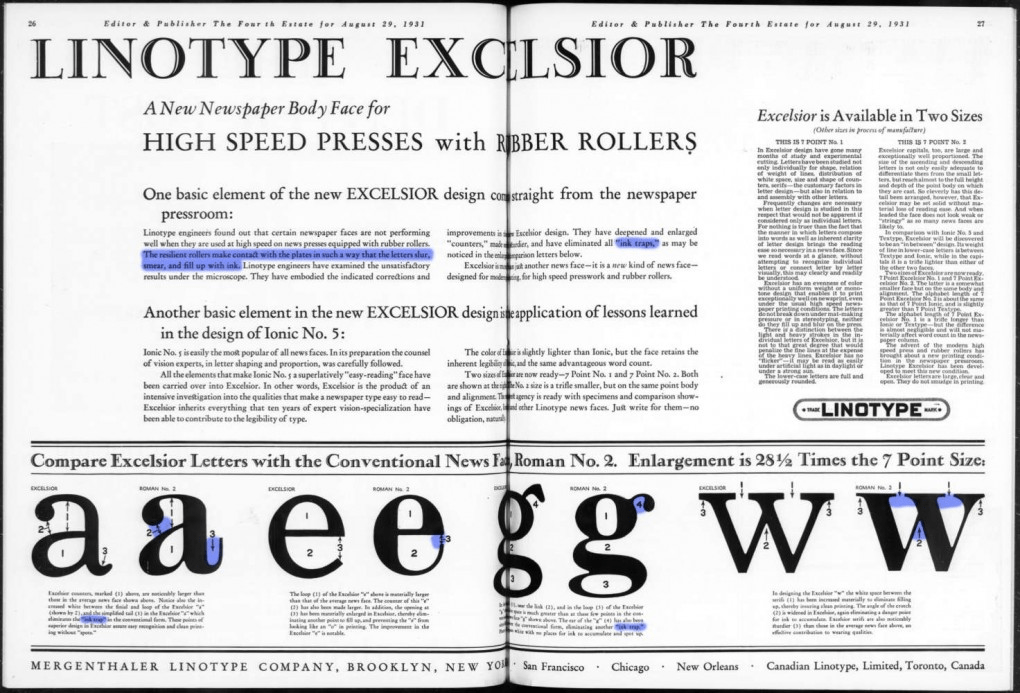
Ink traps are enhanced edges in the inside corners of printed graphics, originally developed to combat ink smudging in suboptimal printing conditions. The most famous example is Matthew Carter’s Bell Centennial typeface from 1978, designed for phone directories where the deep cuts in inside corners prevented smudging when printed at very small sizes on cheap paper.
There are three, core, types of traps. “Light Traps” emerged during the phototypesetting era to combat issues with film and lens distortion. These sharp spikes or thorns, particularly visible in Neue Helvetica, helped maintain legibility by compensating for rounding that occurred during the reproduction process.
“Corner Cuts” arose during early digital typography when Bézier curve rendering struggled with sharp corners. Rather than being true ink traps, these were simple trimmed corners that prevented rendering artifacts and remain useful for controlling outline effects in modern fonts.
“Tear Traps” are circular holes punched at the tips of slits in physical materials to prevent tearing. While rare in typography, they appear in specialized applications like the Musashino Art University logo where they convey structural robustness.
Contemporary typeface designers have repurposed these historical techniques for aesthetic effect. Fonts like Minotaur Beef and GT Flexa deliberately incorporate dramatic ink traps as stylistic elements. The technique has evolved beyond its practical origins to become a design feature, particularly in sans-serif typefaces where ink traps provide visual interest without requiring full serifs.
In AR and VR environments, where text appears at various angles and in motion, modified trap techniques help maintain legibility. David Jonathan Ross’s Input typeface demonstrates this with precisely calculated notches that ensure clear separation between strokes when rendered on screens.
Believe it or not, this section barely scratches the surface on this topic, and Toshi Omagari has tons more information, history, and examples in this excellent post.
Ⓜⓞⓡⓔ Ⓤⓝⓘⓒⓞⓓⓔ “Ⓕⓞⓝⓣ” Ⓐⓑⓤⓢⓔ

(Super quick section.)
Dubbed the “Pinterest Font Generator”, the site is yet-another abuser of the extended Unicode glyphs. Enter in your text, and copy the text in the “font” of your liking.
Envy Code R
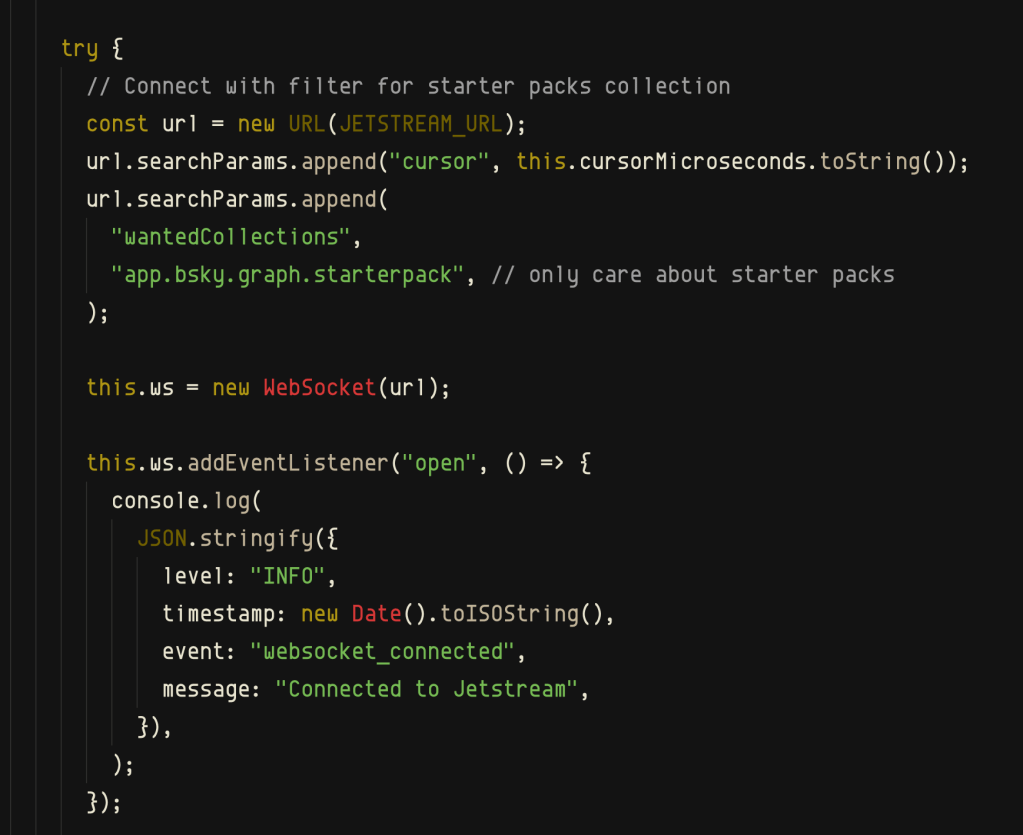
Envy Code R (source) is a monospaced programming/terminal font designed by Damien Guard. It ships with regular, italic, and bold variants, each containing 648 glyphs. The font features clear differentiation between commonly confused characters (like “1” vs “l” and “O” vs “0”) while maintaining a narrower width than many programming fonts. This space efficiency doesn’t compromise readability, even at smaller sizes. The latest version brings improved character designs, including a clearer comma, less heavy zero slash, updated Euro symbol, more curved braces, and an extended hash symbol. The font includes complete box-drawing character support and has been optimized for pixel-perfect rendering. While free to use, redistribution is not permitted.
The section header is a snippet of code using Envy Code R.
FIN
We all will need to get much, much better at sensitive comms, and Signal is one of the only ways to do that in modern times. You should absolutely use that if you are doing any kind of community organizing (etc.). Ping me on Mastodon or Bluesky with a “🦇?” request (public or faux-private) and I’ll provide a one-time use link to connect us on Signal.
Remember, you can follow and interact with the full text of The Daily Drop’s free posts on Mastodon via @dailydrop.hrbrmstr.dev@dailydrop.hrbrmstr.dev ☮️
 hrbrmstr's Daily Drop
Leave a comment